Home Selling Tips Fast
Stay updated with expert advice, market trends, and smart real estate investment insights.
Introduction
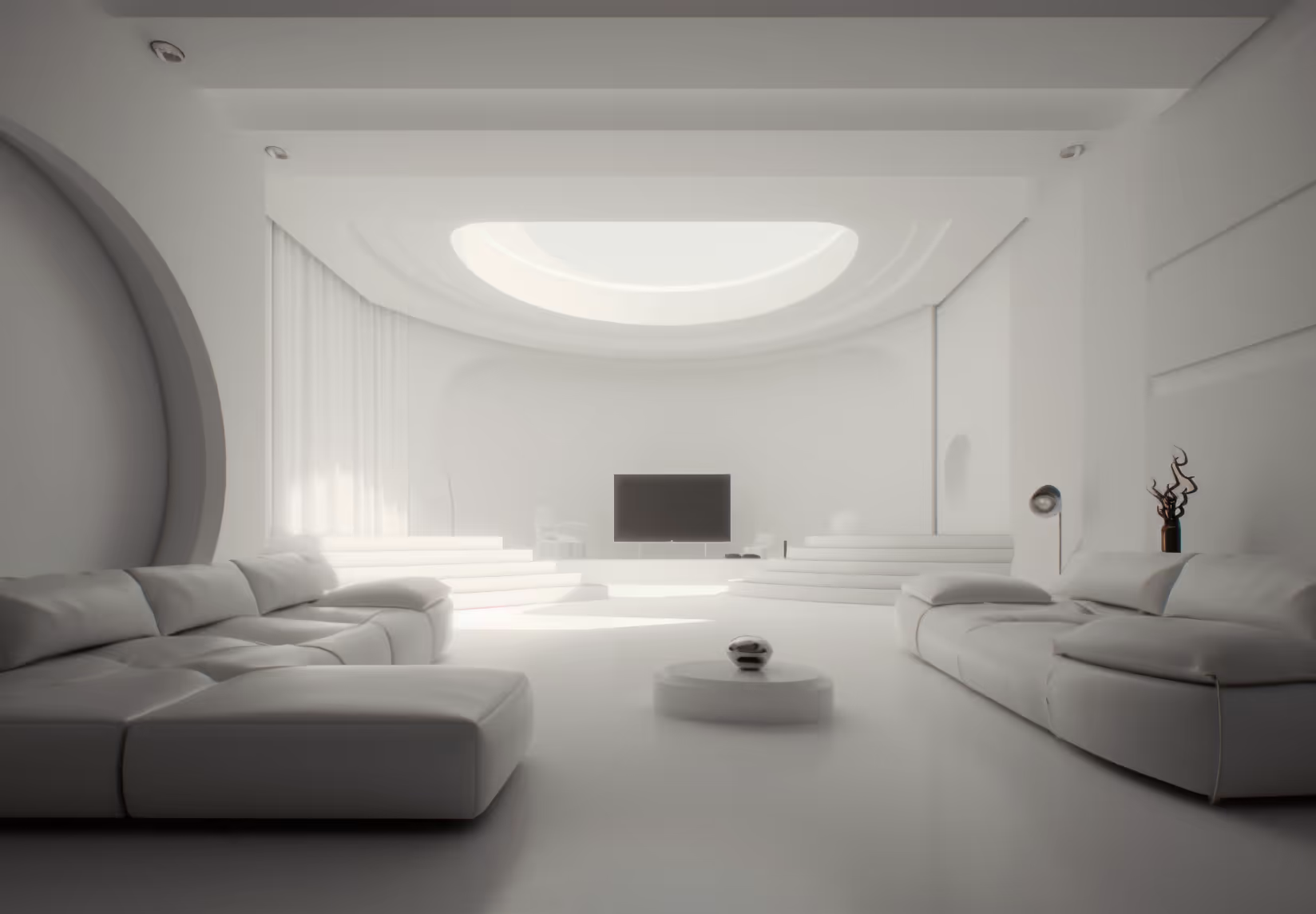
In recent years, the perception of architectural spaces has transformed significantly. Spaces are no longer just defined by physical structures or boundaries—they are now shaped by light, materials, movement, and the human experiences within them.
As modern lifestyles shift toward simplicity and intentional living, architecture carries a greater purpose: to create environments that balance functionality, visual harmony, and emotional well-being.
Transforming the Language of Space
In the past, architectural design was largely defined by permanence and fixed structures. Today, that perspective has evolved beyond static forms. Modern design now embraces a more fluid and experiential approach, where space is shaped by interaction, movement, and human behavior.
Architecture is no longer limited to physical boundaries—it has become a sensory experience that adapts to the way people live, feel, and connect within their surroundings.
The Power of Collaborative Design in Modern Architecture
Contemporary architectural practices embrace collaboration as a core strength. By bringing together diverse perspectives—from different disciplines, cultures, and design philosophies—projects gain depth, creativity, and meaningful context.
Through this shared approach, architecture evolves beyond individual ideas into a collective expression shaped by cultural influence, material understanding, and human-centered experiences.
Each contributor adds a unique vision, rhythm, and interpretation of space, enriching the overall design outcome. This collaborative synergy often blends inspirations such as:
- Minimal Japanese-inspired simplicity
- Clean and functional Scandinavian design
- Climate-responsive tropical architecture
- Sleek and modern urban aesthetics
Enhancing Design Clarity Through Digital Innovation
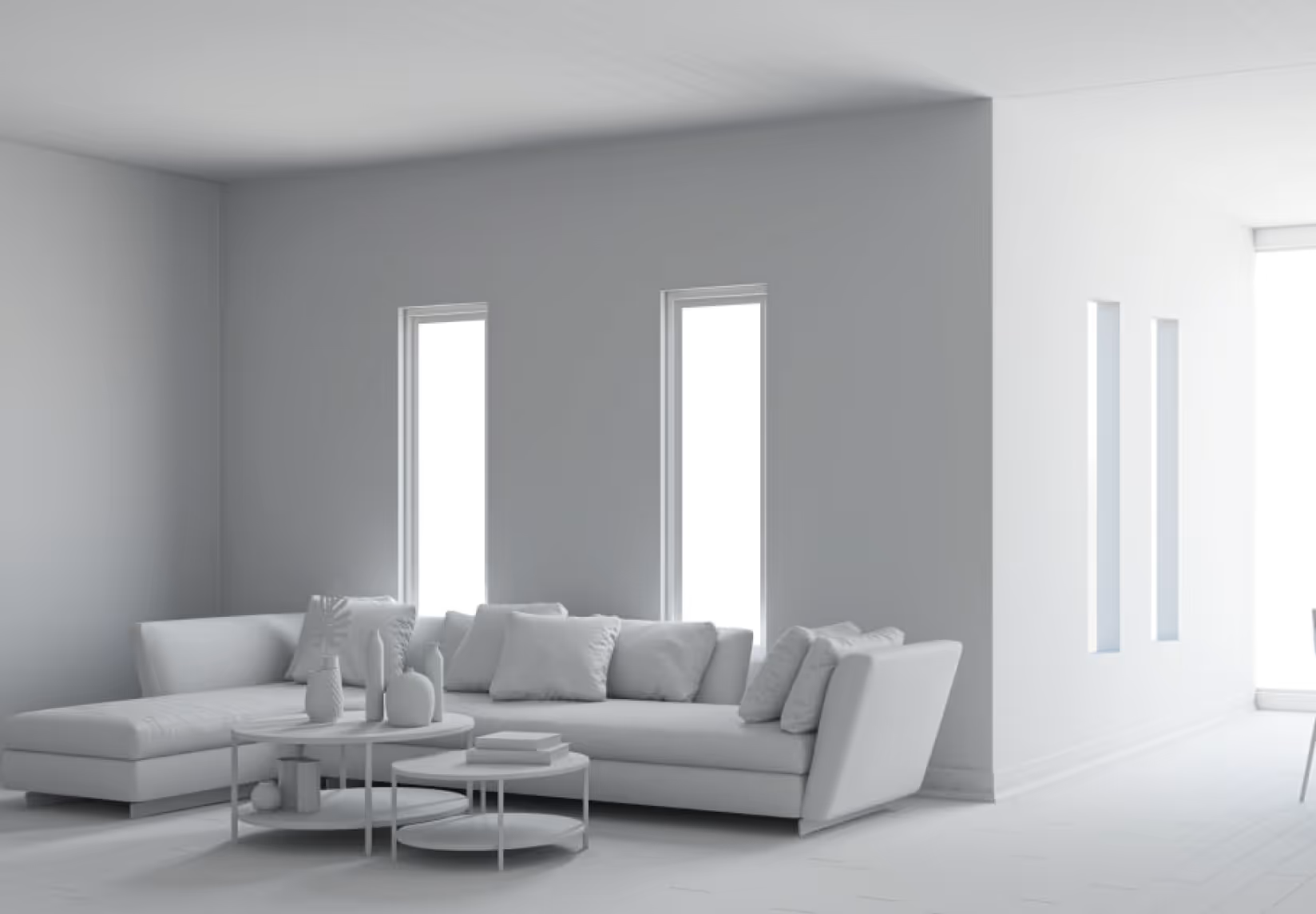
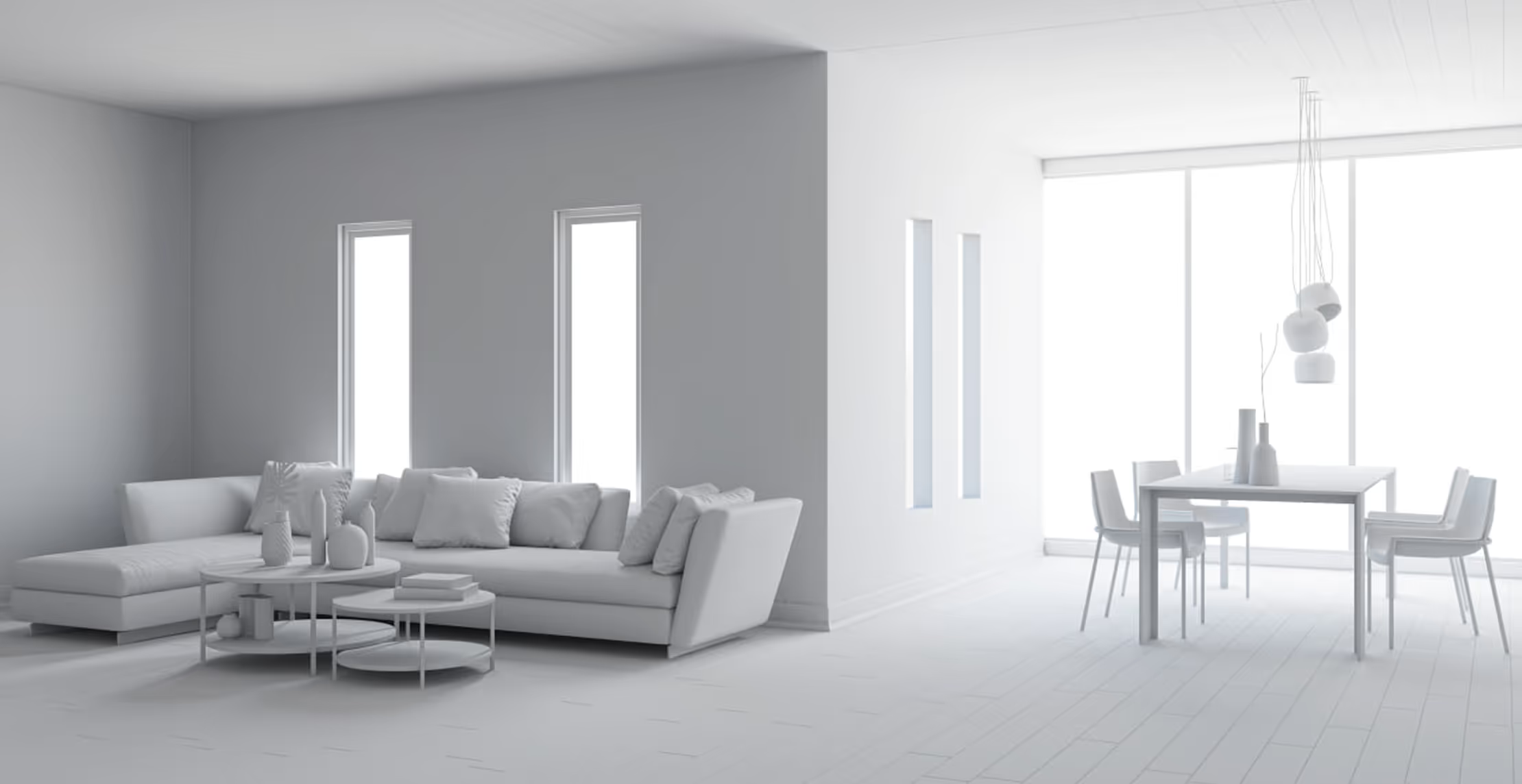
Modern technology plays a vital role in shaping architectural workflows, making ideas more visible, precise, and collaborative. From early-stage concepts to detailed spatial analysis, digital tools help transform creative vision into realistic and immersive experiences.
At our studio, we integrate carefully selected tools to support every phase of the design journey, ensuring clarity, efficiency, and thoughtful execution.
- Visualize spatial depth, light, and form through advanced 3D modeling
- Define materials, textures, and color harmony with digital visualization tools
- Collaborate seamlessly with teams through real-time design platforms
- Refine concepts efficiently with accurate simulations and iterative feedback
By combining technology with design sensitivity, we ensure every concept evolves into a functional, human-centered space while preserving warmth and craftsmanship.
.avif)